



As parents, we are all are working toward the same goal: Raise a human who is happy, kind, and as independent as possible.
But as parents raising neurodivergent teens, we get lost in the logistics: Is my child ever going to drive? Will they be able to go to college? Will they be able to get a job? Will they be able to keep a job? Will they be able to live on their own? Will they have friends? And, the list goes on.
Many of us start with these question because we are thinking about success in terms of achieving milestones, but I find it more helpful to define success within the framework of joy and pride. Is my child enjoying their life? Is my child proud of themselves? The answers to these questions give us clues as to how satisfied our teens are with their current situation.
Neurodivergent teens often experience executive functioning weaknesses and emotional dysregulation that interferes with their motivation for independence. So how can we reframe milestones of independence to make sense for our kids who are developing on their own path?
Chronological Ages are Arbitrary (for the most part)
One of the ways we feel alone as parents raising neurodivergent kids is when their milestones are misaligned with those around them. I find that this begins when children first enter Kindergarten.
Generally speaking, parents of infants and toddlers feel like they’re in the same boat having to support the feeding, sleeping, and toileting of their kids. But, once a child begins school, it becomes more obvious if your child is not getting out of the car, attending therapy instead of soccer practice, or having meltdowns at school.
At this point along the journey, it’s important to swap out chronological time for developmental time. Yes, your child might be eight years old, but they might have the impulse control of a much younger child. That same eight year old might also have the reading skills of a middle schooler. You will be able to support your child best through the tween and teen years by recognizing skills that need support and encouraging interests that need to be nurtured.
The Advocacy Hand-off
At some point along the way, parents of neurodivergent learners master all the things: attending IEP meetings, scheduling therapies, noticing their child’s strengths, planning support for their child’s needs, talking to their child about their brain, and helping their village better understand.
Just when we’ve mastered these parenting milestones, we begin to realize that we now must teach our child how to manage these things. Part of teaching our teens independence is helping them know what they can do on their own, what they need help with, knowing who to ask for help, and being able to ask for it. All of this takes practice.
Around the start of high school, teachers and administrators begin emphasizing graduation requirements, drivers education, and planning for the future.
Your child may or may not be ready to do what our culture allows because they are 16, 18, and 21, and that’s okay. Being allowed to do something isn’t the same as being ready to do it.
“How Old You Are vs. How Ready You Are”
Just because your teen is 16 does not mean they are ready to drive. Just because they are 18 does not mean they are ready to sign legal documents. These are arbitrary numbers determined by the government and not rooted in brain science. Just like you decided when your child was ready for Kindergarten, I find it helpful to focus on when your teen is ready for an independent skill. I call this “How Old You Are vs. How Ready You Are.”
When talking to teens about their independence, I’ve noticed that some teens want to drive or go to college alongside their same-age peers simply because this is the message they have received from others. We need to help them understand their skills and the support they need to become independent.
Some teens believe they have to learn to drive because they are turning 16 or have to move out when they are 18. We need to help these teens see that milestones are flexible.
I’ve also noticed that sometimes teens are ready for more independence but their parents are anxious about stepping back because they fear regression or failure. So how do we know when to step back?
Nurturing Your Teen’s Independence
I like to think about independent skills building on each other from the inside out. If expectations are too high, nothing is achieved.
Start with what your child is ready to do. If you’re not sure, ask their teacher, tutor, or therapist what they have seen them do independently so you know you can step back, too. Your child will fail. They will need coaching. You will have to explicitly teach them things that you feel are intuitive to other teens. Keep going—they want to be independent!
Teens first need to learn to take care of their body, then their things, then their space, and then others.
1) Taking care of my body (hygiene tasks)
2) Taking care of my belongings (keeping up with my things/own space)
3) Taking care of shared space (helping with cleaning and organization at home)
4) Taking care of others (noticing how I impact those around me)
Find What Motivates Them
Start with what motivates your teen. Some are motivated to shower because their skin feels less itchy when it’s clean. Some are motivated to do their laundry because their clothes feel better rather because their appearance looks better. Some are motivated to have a clean space because they’re able to find their things.
Teens want autonomy. Many neurodivergent teens just don’t know how to get there. During these years, I encourage parents to think of themselves as a consultant or coach. You are no longer doing things for your child, you are doing things with your child. They may not do it well, yet, but they won’t get there without practice.
So start here: What motivates your teen? What skills do they already have? What can they do independently if you teach them a system for it? What do they want to be able to do without help?
Remember, you are their life coach. You help solve problems by explaining or showing them what to do, not by doing it for them. Once you believe your child is capable of doing something on their own, trust in their skills, and let the practicing begin!
Let’s Stay Connected,
~Dr. Emily
Related Workshops…
About Dr. Emily…
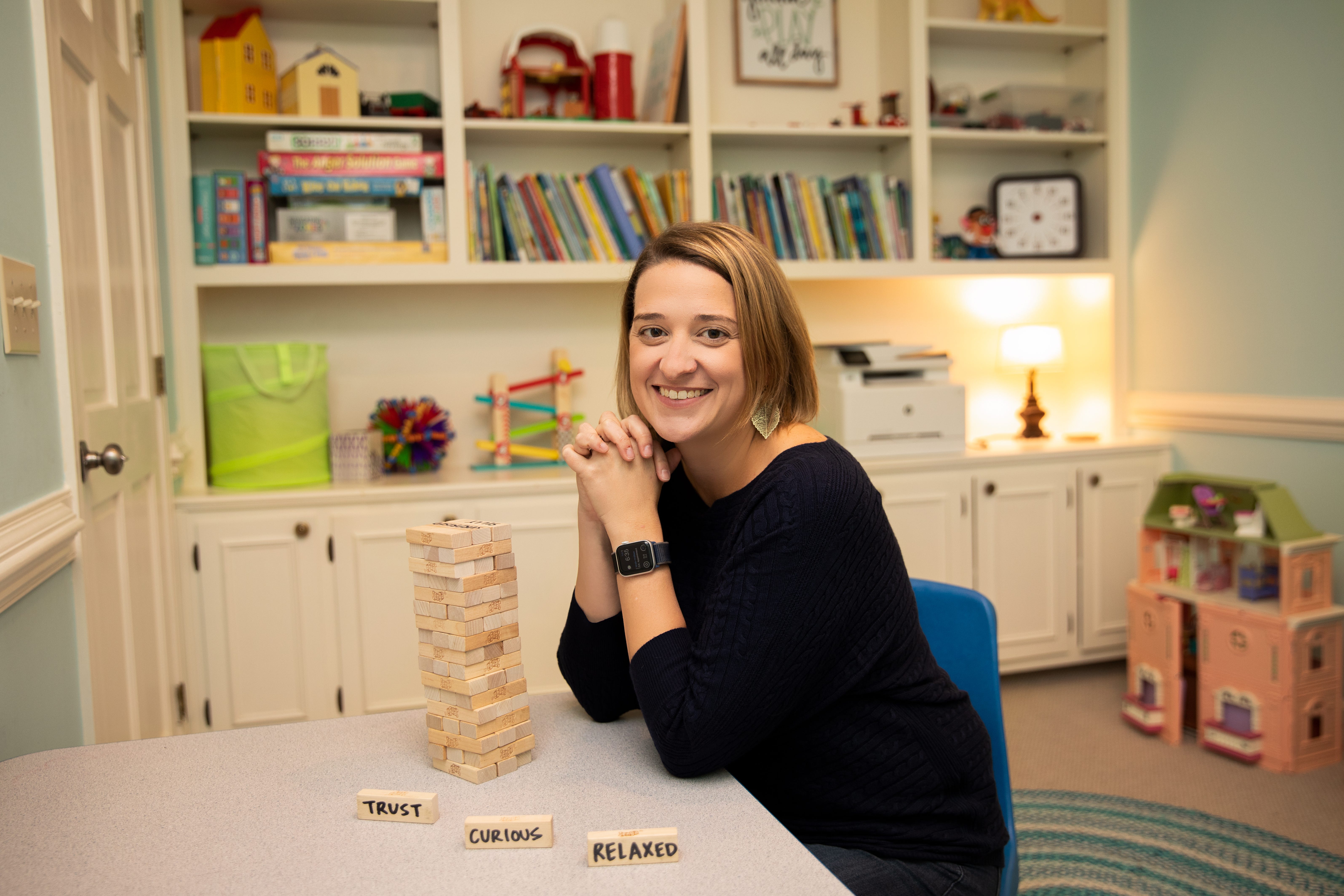
I’m Dr. Emily, child psychologist and former school psychologist, and I’m on a mission to help parents and teachers be the best adults we can be for the neurodivergent kids and teens in our lives. This isn’t about changing the kids, it’s about changing us. Learn more with my resources for parents, teachers, and schools at www.learnwithdremily.com.
**All content provided is protected under applicable copyright, patent, trademark, and other proprietary rights. All content is provided for informational and education purposes only. No content is intended to be a substitute for professional medical or psychological diagnosis, advice or treatment. Information provided does not create an agreement for service between Dr. Emily W. King and the recipient. Consult your physician regarding the applicability of any opinions or recommendations with respect to you or your child's symptoms or medical condition. Children or adults who show signs of dangerous behavior toward themselves and/or others, should be placed immediately under the care of a qualified professional.**
Thanks for the helpful short read ❤️🩹
Thanks for an insightfull post, Emily.
Personal hygiejne is probably the most basic level of self-care. You are making me think of when we create a space for our kids, where that seems doable, we can slowly motivate them from that point, to take care of their own space, as you describe, but also to take better care of themselves, their own body, their choices of food intake and their own mental health.